Learn more
What is a STI?
Sexually Transmitted and Blood-Borne Infections (STBBIs)
As their name suggests, these infections are transmitted during sexual intercourse, or when the infectious microorganism comes into direct contact with the blood. They are called "infections" because a person may not show any symptoms, unlike with a disease. The most common infections are divided into two categories:
Viruses
- Hepatitis A, B, C
- Human immunodeficiency virus
- Human Papillomavirus *
- Herpes virus**
Bacteria
- Chlamydia
- Lymphogranuloma venereum***
- Gonorrhea
- Syphilis
There are also parasitic infections such as pubic lice and scabies.****
For more information on STIs, visit the Quebec HIV/AIDS Portal.
Here is a comprehensive list of typical STI symptoms:
- Abnormal discharge from the genital area
- Burning sensation when urinating
- Abnormal bleeding between periods or during penetration
- Lesions and/or ulcers in the genital area and/or mouth
- Stomach pain
- Pain in the scrotum
Women experiencing symptoms should contact us directly by phone. If you have abdominal pain, scrotal pain, or a fever, go directly to the emergency room.
*If you are experiencing symptoms, please contact us directly by phone. For women without symptoms, HPV testing is available.
**If you are experiencing symptoms, please contact us directly by phone. Also, herpes virus testing is only possible if symptoms are present.
*** Testing should only be performed after receiving a positive chlamydia result. This concerns the antibiotic-resistant form of chlamydia.
****No screening available at our clinic.
Understanding STIs today in a few stats
At Santé Fede, we firmly believe that a well-informed and empowered clientele has everything it needs for a healthy life and a healthy community. However, the pandemic has had a significant impact on access to routine care, particularly sexual health services. Sexually transmitted infections (STIs) are now a public health issue that concerns us all. In this regard, here are some statistics on the sexual health of the Quebec population between 2020 and 2021.
10%
Among the sexually active population, approximately 10% have already been diagnosed with an STI.
7 out of 10
Proportion of the sexually active population who have never used condoms in the past 12 months.
1 out of 10
Proportion of the population who reported having had between 2 and 4 different partners that year.
Approximately 70% of women with chlamydia or HPV will have no symptoms.
Human papillomavirus and cervical cancer
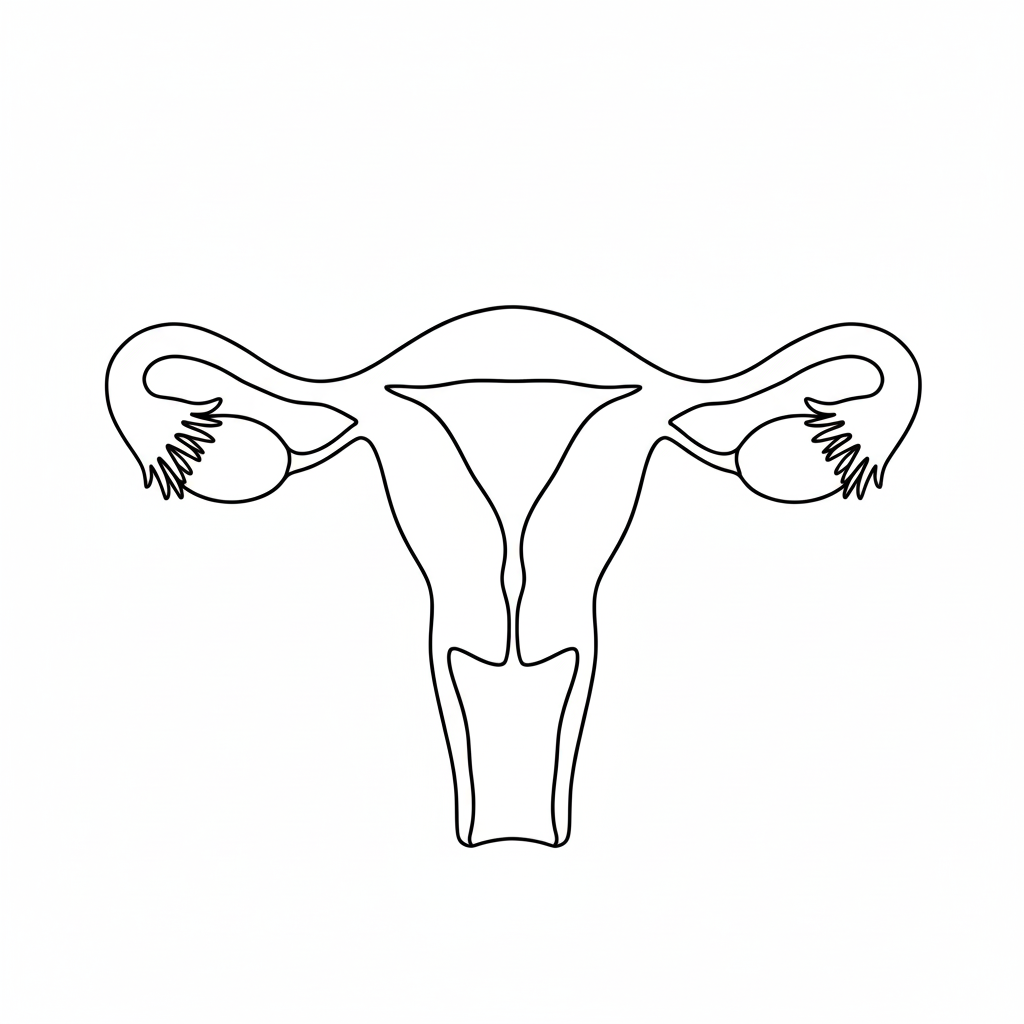
Human papillomavirus (HPV) is a very common family of viruses. It is mainly transmitted through vaginal or anal sex with an infected person, or even through skin-to-skin contact of the genitals. Furthermore, even with condom use, the risk of transmission is not eliminated, as lesions can occur in areas not covered by the condom. The virus can be transmitted even when no signs or symptoms are present. Some strains of HPV are responsible for the development of cancers of the cervix, anus, vagina, penis, vulva, and throat.
High risk cancer strains: 16, 18, 31, 33, 35, 39, 45, 51, 52, 56, 58, and 59. Strains 16 and 18 are responsible for the majority of cervical cancers.
Low-risk strains rarely become carcinogenic, but can develop into condylomas on the genitals, anus, mouth or throat.
Cervical cancer screening
Previously in Quebec, the Pap test (or Pap smear) was widely recognized by most women as the preferred test for cervical cancer screening. Indeed, a sample is taken from the cervix by a qualified professional and sent to a laboratory for Pap test analysis to detect the presence of cancerous cells.
However, in 2024, INESSS published an update to its guidelines for cervical cancer screening and now recommends HPV testing as the primary screening test following new studies linking cervical cancer to HPV. A cervical swab is still required, but the sample is first analyzed to assess for the presence of HPV. If the result is positive, the laboratory team performs a Pap smear to determine if cancer cells are present, without the need for a second swab.
200
There are over 200 different strains of HPV.
99%
99% of cervical cancers are linked to HPV.
16 and 18
Strains 16 and 18 are responsible for the majority of cervical cancers.
References
1. Government of Quebec. (February 3, 2025). Sexually transmitted and blood-borne infections.
https://www.quebec.ca/sante/problemes-de-sante/itss
2. Ministry of Health and Social Services. (April 18, 2023). Diagnosis for a sexually transmitted infection.
https://msss.gouv.qc.ca/professionnels/statistiques-donnees-sante-bien-etre/statistiques-de-sante-et-de-bien-etre-selon-le-sexe-volet-national/diagnostic-pour-une-infection-transmise-sexuellement/
3. Ministry of Health and Social Services. (April 18, 2023). Non-use of condoms.
https://msss.gouv.qc.ca/professionnels/statistiques-donnees-sante-bien-etre/statistiques-de-sante-et-de-bien-etre-selon-le-sexe-volet-national/non-utilisation-du-condom/
4. Ministry of Health and Social Services. (April 18, 2023). Sexual relations, multiple partners, opposite sex.
https://msss.gouv.qc.ca/professionnels/statistiques-donnees-sante-bien-etre/statistiques-de-sante-et-de-bien-etre-selon-le-sexe-volet-national/relations-sexuelles-partenaires-multiples-de-sexe-oppose/
5. European center for disease prevention and control. (2025). Factsheet about chlamydia.
https://www.ecdc.europa.eu/en/chlamydia/facts
6. Canadian Cancer Society. (2025). Human papillomavirus.
https://cancer.ca/fr/cancer-information/reduce-your-risk/get-vaccinated/human-papillomavirus-hpv
7. National Cancer Institute. (May 9, 2025). HPV and cancer.
https://www.cancer.gov/about-cancer/causes-prevention/risk/infectious-agents/hpv-and-cancer
8. Okunade, K. (2020). Human Papillomavirus and cervical cancer. J Obstet Gynaecol, 40(5), 602-608.
https://pmc.ncbi.nlm.nih.gov/articles/PMC7062568/pdf/nihms-1533254.pdf
9. National Institute of Excellence in Health and Social Services. (May 2024). Cervical cancer screening in Quebec: recommendations for implementation
Human papillomavirus (HPV) detection test as a primary screening test – use of self-sampling (ISBN 978-2-550-97486-4).
https://www.inesss.qc.ca/fileadmin/doc/INESSS/Rapports/Oncologie/INESSS_Cancer_col_uterus_Avis.pdf
Frequently Asked Questions
"I have no symptoms, is there still a possibility that I have an infection?"
YES. Most STIs do not present any symptoms in the short term, but cause long-term complications.
"I always use a condom, but am I still at risk of catching an STI?"
YES. HPV lesions (condylomas) as well as herpetic lesions (such as cold sores) are often found on areas not covered by the condom such as the pubis and scrotum.
"I have symptoms, can I book an appointment online?"
YES. If you are unsure about your symptoms, contact us directly by phone for more information.
"I have a positive result, what happens next?"
We will send your prescription directly to the pharmacy and you may even receive your medication there. Afterwards, your sexual partners must be notified so they can receive the appropriate treatment. We can do this anonymously for you.
Do you have more questions about the risks of transmission?
Click here for more information on the risks of transmission depending on the type of sexual contact or contact us for more information.